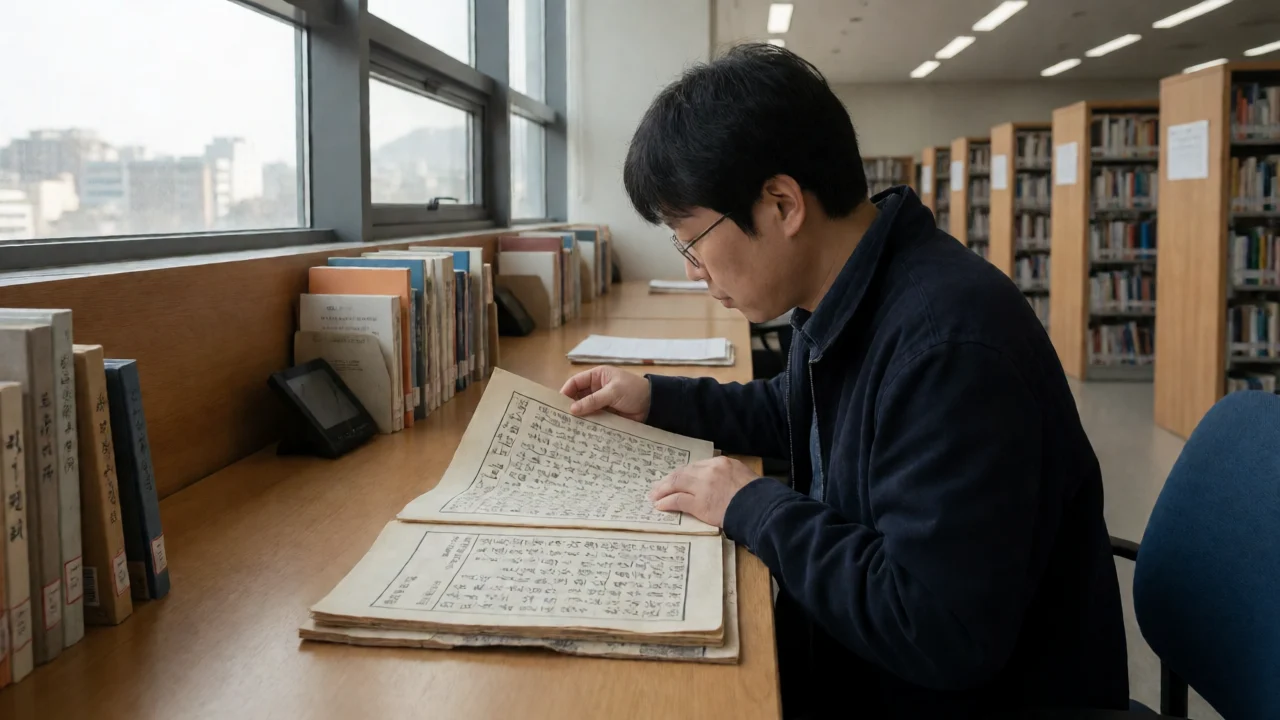
A traditional Korean folktale about a boy fated not to pass his seventeenth year who overcomes hardship on the road to Seoul and carves out his destiny with the help of a red bean porridge seller’s mother and daughter and three high-ranking ministers’ daughters.
Settle in and listen to the story at a gentle pace before you begin reading.
The Wandering Monk’s Prophecy and a Boy’s Long Journey
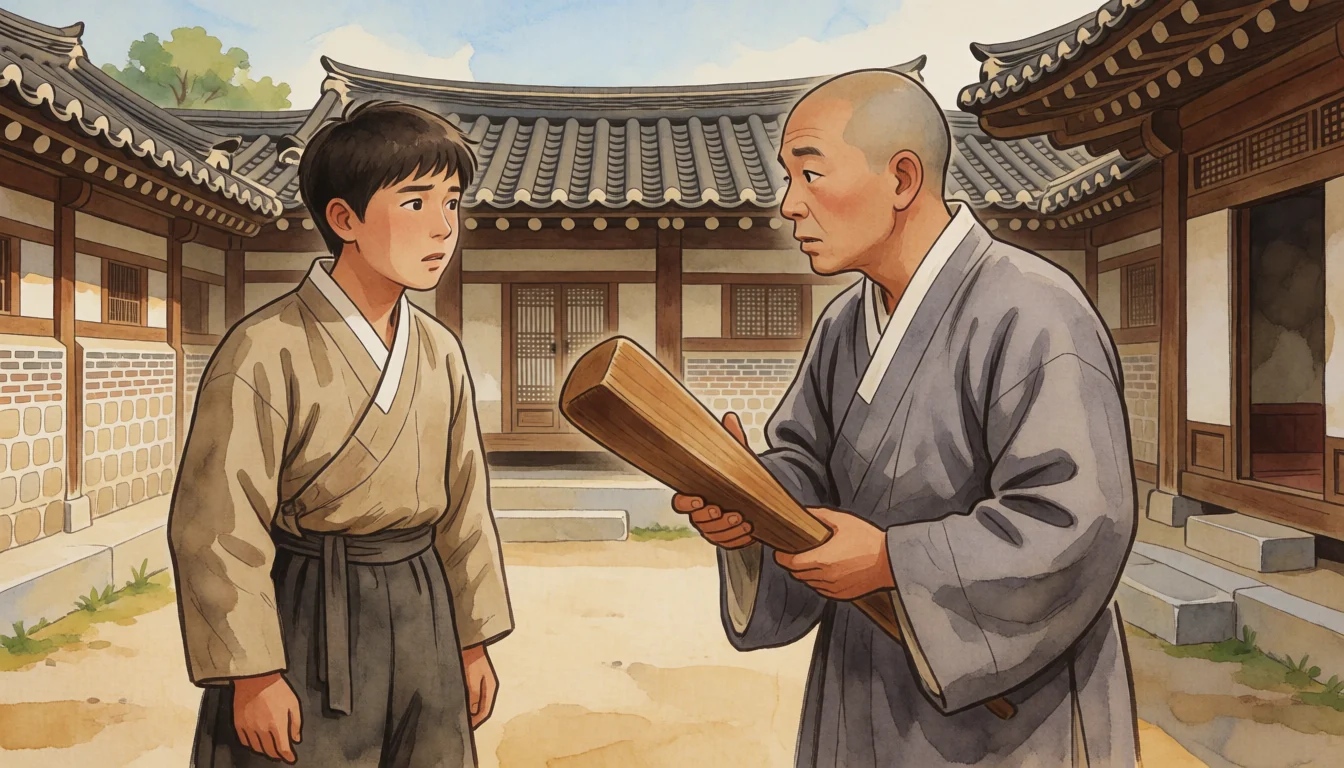
The alms-seeking monk tapping his wooden gong by the courtyard corner suddenly stopped and gazed at the boy’s face for a long time. His clear complexion darkened abruptly, and a deep sigh escaped his lips.
“What a tragedy. This child’s life span is short; he will hardly make it past his seventeenth year. If you sit idly and wait, you cannot escape disaster. You must leave home and head for Seoul if you are to find a way to live.”
It was a bolt from the blue. The household was thrown into immediate turmoil, and the boy strapped a traveling bundle to his back, clueless about what was happening. If he didn’t leave, his life would be cut short—how could he simply sit still? Carrying anxiety as heavy as a house, the boy stepped outside, his mother’s dry, persistent weeping trailing closely behind him. Crossing dusty mountain pass after mountain pass, he stared down at the palm of his hand. Unable to figure out where the mark of his brief life was etched among the branching lines, his heart burned with quiet desperation.
Unfamiliar Seoul Alleys and a Bowl of Red Bean Porridge
The Seoul he arrived in was entirely unlike the rural village where he was born and raised. The roar of rolling cart wheels and the shouts of merchants were enough to deafen him. Yet, for a wandering drifter with nowhere to go, the bustling capital was nothing more than a massive, cold maze. His straw sandals were completely worn out, his stomach let out loud, hollow growls, and dusk began to settle as night approached.
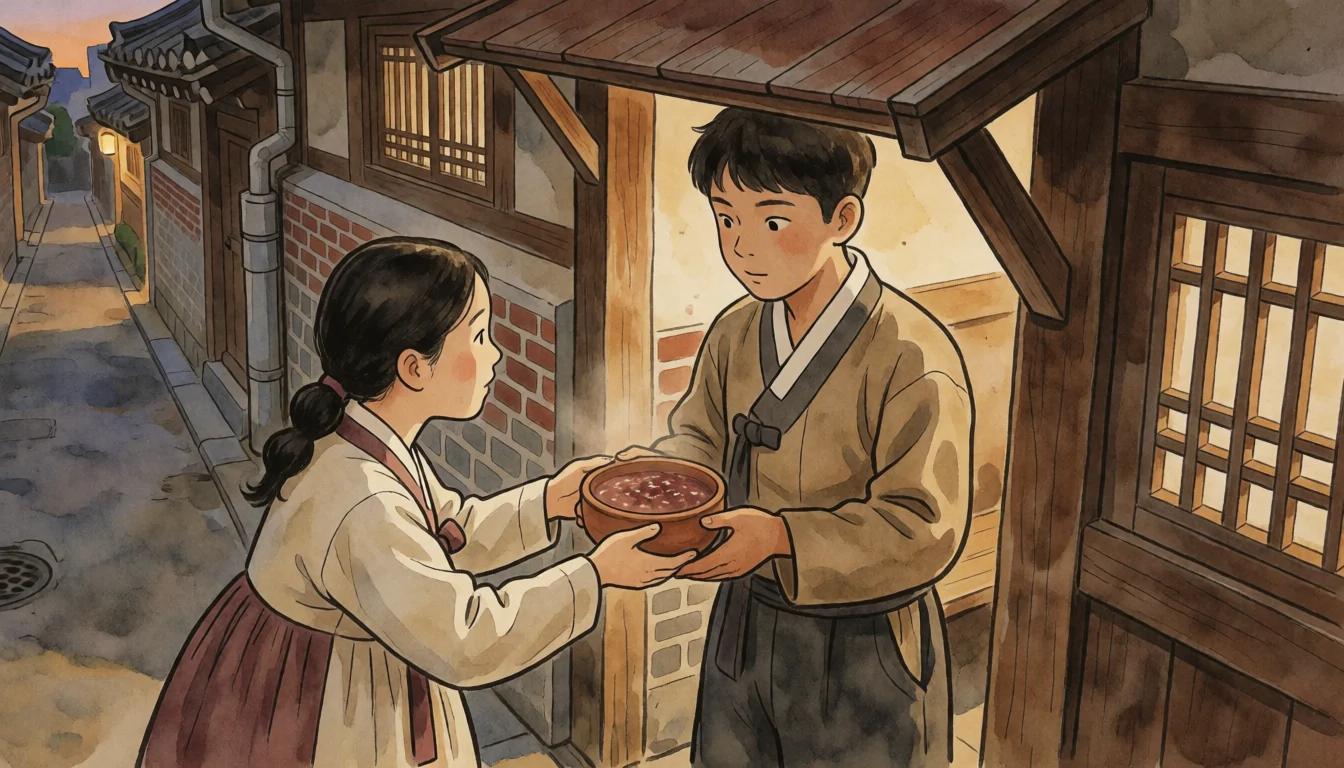
That was when it happened. A savory aroma of boiling red beans drifted on the wind from beneath the eaves of an old house at the edge of an alley. Red steam billowed from a massive iron cauldron. The old woman lifting the cauldron lid looked blankly at the dazed boy standing there.
“Child, the wind is cold. What are you doing standing there? Your belly is practically touching your spine.”
“I… I don’t have any money,” the boy replied with a sinking voice, dropping his head.
As soon as he answered, the porridge seller’s daughter quickly handed him an earthenware bowl.
“I won’t take your money, so eat up. It won’t taste good if it gets cold.”
As a spoonful of warm red bean porridge slid down his throat, his frozen insides slowly melted. Sniffling, the boy poured out the startling story he had heard from the wandering monk. After listening intently, the old woman clicked her tongue and exchanged glances with her daughter.
Stealing Away to the State Minister’s Cottage
“Fated to die young, you say? If we leave you be, you’ll die a worthless death. Tell me, boy, do you have courage?”
At the old woman’s question, the boy nodded vigorously. A flash of realization told him that backing down here meant nothing less than death. Then, the daughter spoke in a low voice.
“Deep in the secluded woods nearby sits a thatched cottage belonging to the State Councilor, untouched by outsiders. The councilor’s daughters live there, completely cut off from the world, and ordinary people never dare approach. But if you want to break your destiny, there is nowhere else to hide.”
Under the cover of darkness, the old woman’s daughter guided the boy. Weaving through dense pine forests, a quiet thatched cottage finally came into view beyond a tall stone wall. Tucking the boy away into a dim corner of the back room, she strictly instructed him:
“Do not make so much as a cough. You must hold your breath until the time comes if you want to survive.”
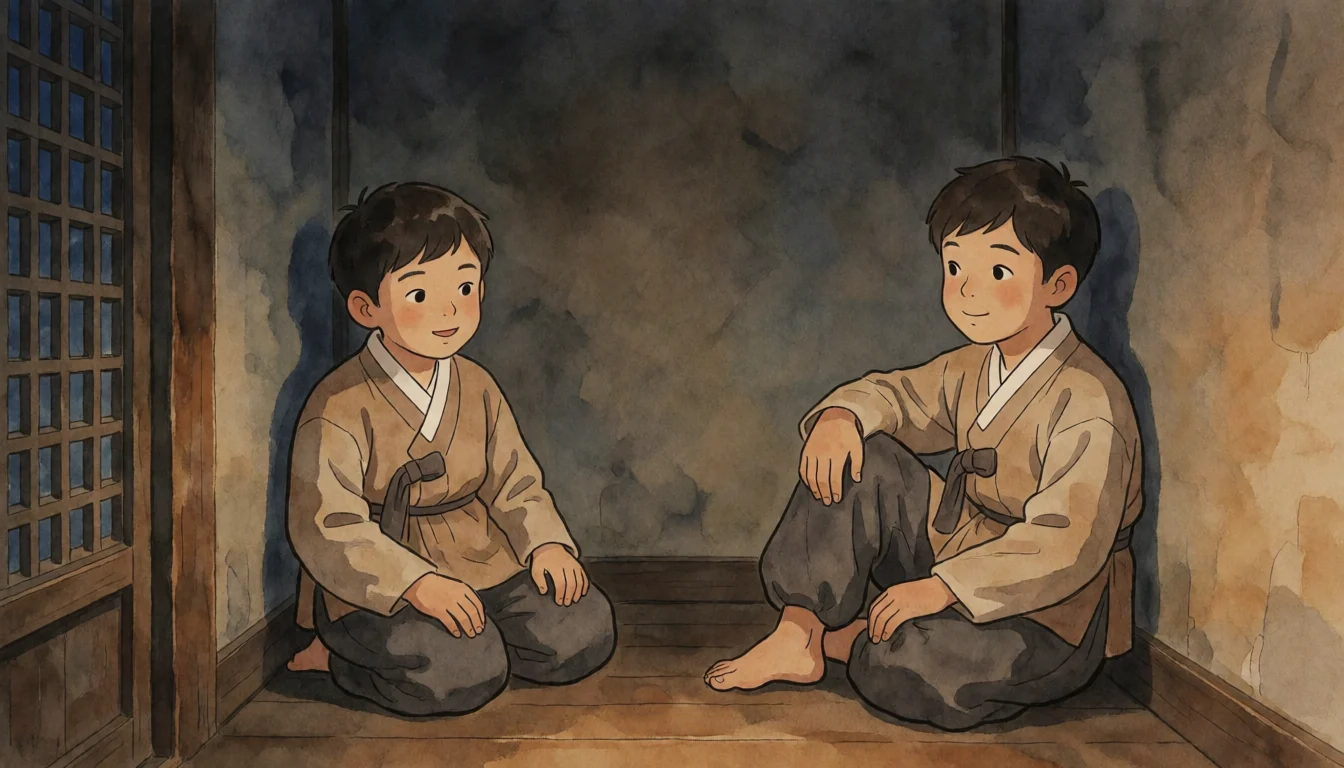
In a corner of the cottage room, where absolute silence hung like death, the boy pressed his back hard against the wall and fought to control his ragged breathing. Outside, only the sound of the wind brushing through the bamboo grove undulated like waves.
The Sound of the I Ching Piercing the Night and the Retreating Tiger
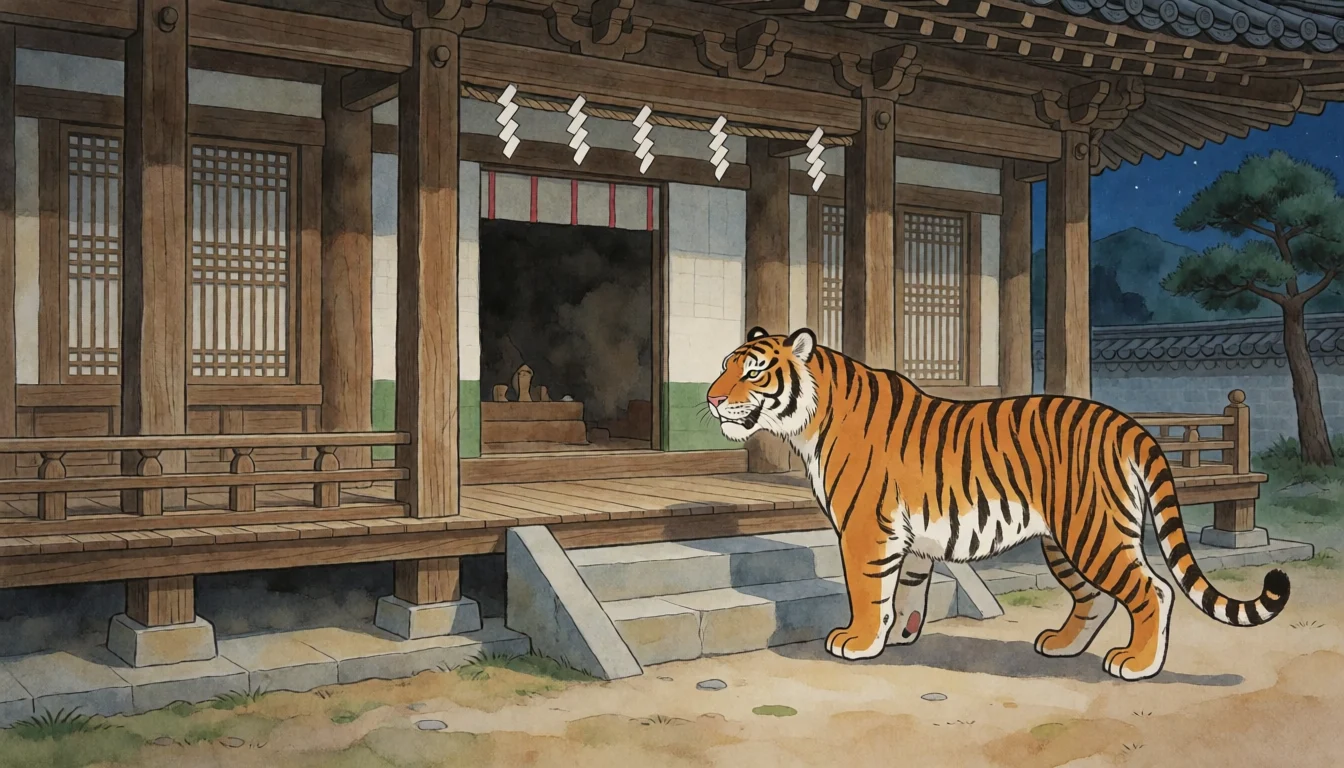
It was deep in the night, approaching the third watch. Suddenly, the mountain wind grew fierce, and dust lashed against the paper-paned doors. A heavy, rumbling growl traveled up through the earthen floor. Goosebumps broke out across the boy’s entire body. It was a tiger. The shadow of death loomed right at the threshold, choking off his breath.
Yet remarkably, inside the main quarters of the cottage, there was not the slightest trace of panic. Instead, candles were lit all at once, and clear, resonant women’s voices began to recite.
The daughters of the State Councilor sat poised together, chanting the hexagrams of the I Ching (Book of Changes) in unison. Every single phrase cut through the night air as sharply and solidly as a blade. It was as if they were performing a ritual to summon divine energy and ward off misfortune.
Outside the door, the beast—growling and scratching the wooden veranda with its claws—was pinned down by the fierce, biting energy of the chanted I Ching and could not bring itself to attack rashly. As the loud recitations shook the mountains and rivers, the massive shadow let out a long roar before finally tucking its tail and retreating into the forest. Shivering inside the room, the boy felt the cold noose of destiny that had been tightening around his neck finally snap apart with a shudder.
Grasping Brush and Ink to Rebuild One’s Destiny
When day broke, the State Councilor’s daughters called the boy out, as though they had known he was hiding in the room all along. The eldest daughter gazed at him with calm eyes and asked:
“You have conquered the terror of last night, passing the first hurdle against the misfortune gnawing at your life span. However, if you cannot stand tall on your own strength, you will eventually be broken again. Will you study and take the civil service examination?”
The boy fell to his knees and bowed deeply.
“I will not let the life you saved go to waste. Just teach me.”
From that day on, the cottage became a place of learning. The councilor’s daughters taught the boy to read and explained the profound principles of the I Ching one by one. The boy turned pages through the night. In the space where the terror of death had once lived, a cool, unyielding determination to live and fulfill his purpose took firm root.
Passing the Civil Service Exam and Remembering Past Grace
Years later, a booming messenger’s voice announcing success in the grand civil service examination rang out across the capital of Hanyang. The boy, once scorned as being fated to die young, had triumphantly clinched the top rank. Recognizing both his brilliance and his grit, the State Councilor welcomed him as an official son-in-law and held a grand wedding.
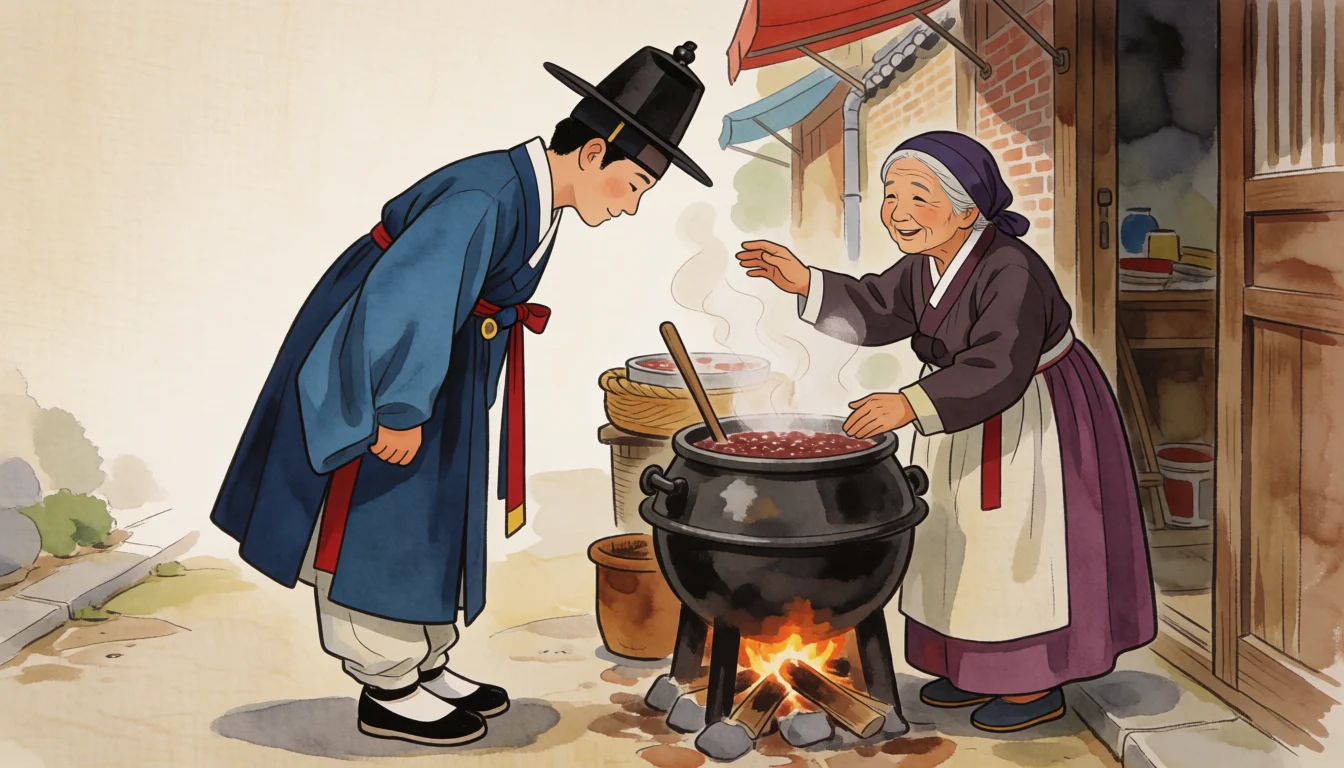
On the day of his procession back to his hometown dressed in silk robes, the boy suddenly stopped his sedan chair as they passed through a bustling district. He strode decisively into a rundown alleyway. There, beside the red bean porridge cauldron still billowing white steam, stood the old woman and her daughter.
“Elder, I have returned alive.”
Watching the newlywed groom bow deeply to her, the old woman stroked his shoulder with rough, weathered hands.
“Goodness, what brings a high-ranking official who passed top of the exam here? I knew you would. I’m so glad you survived—truly, thank you.”
The small kindnesses extended at every street corner along his journey, combined with the wisdom that had risked life and limb to ward off disaster, had entirely transformed a person’s predetermined destiny. Arriving at his hometown courtyard and pulling his parents into his embrace, warm tears of exhaustion from the perilous days past and the overwhelming warmth of a reclaimed life quietly flowed down the boy’s cheeks.
Structure and Meaning of the Folktale of the Short-Lived Boy Who Married a State Councilor’s Daughter
‘The Short-Lived Boy Who Married a State Councilor’s Daughter’ is a representative folk tale depicting a boy fated to die young who leaves home, overcomes hardships, rises to success, and finds happiness. Featuring a narrative structure of prophecy, ascetic hardship, disaster avoidance, and fortune, this tale reflects the traditional Korean aspirations for longevity, wealth, honor, and many descendants. It also embodies a transformative worldview of destiny, suggesting that even a predetermined unfortunate fate can be altered through human effort and wisdom.
Folkloric Background of Disaster-Averting Rituals and I Ching Chanting
In the tale, the State Councilor’s daughters residing in a sacred space cut off from the outside world while chanting the I Ching to drive away a tiger carries the characteristics of shamanic disaster-avoidance rituals. This illustrates how folkloric beliefs aimed at warding off misfortune and inviting blessings, alongside Buddhist and shamanic elements, are shaped within the narrative. Additionally, the mother-daughter porridge sellers encountered during the boy’s wandering add vitality to the narrative as supportive helpers who aid the protagonist in times of crisis.
Aspects of Narrative Variation
Depending on the transmitted sources, parts of this tale may appear differently. Some versions omit the motifs of passing the civil service exam and being accepted as a son-in-law, while others add episodes such as the bride being attacked on the wedding night, leading to a false accusation of murder that the protagonist must overcome.
Modern Transmission and Folklore Research
‘The Short-Lived Boy Who Married a State Councilor’s Daughter’ continues to be transmitted through oral literature and folktale research materials today. While it is no longer actively reenacted in everyday modern life, the protagonist’s narrative of refusing to yield to fate and carving out his own path remains a vital cultural asset for understanding human agency and the yearning for happiness.
The Boundary Between Transmitted Facts and Creative Fiction in Folktales
The structural core of the text—the prophecy and escape of the fated boy, the assistance of the porridge-selling mother and daughter, the warding off of disaster through the I Ching, and passing the civil service exam—is rooted in traditional folklore. However, the specific dialogues shared between the wandering monk and the boy, the scenery and description of the boiling red bean cauldron, the sensory terror of the tiger scratching the veranda, and the scene of returning home to bow to the old woman in gratitude are literary recreations introduced to enhance reader comprehension. These elements should not be mistaken for historical facts or actual folk practices.
🎨 Color It Yourself