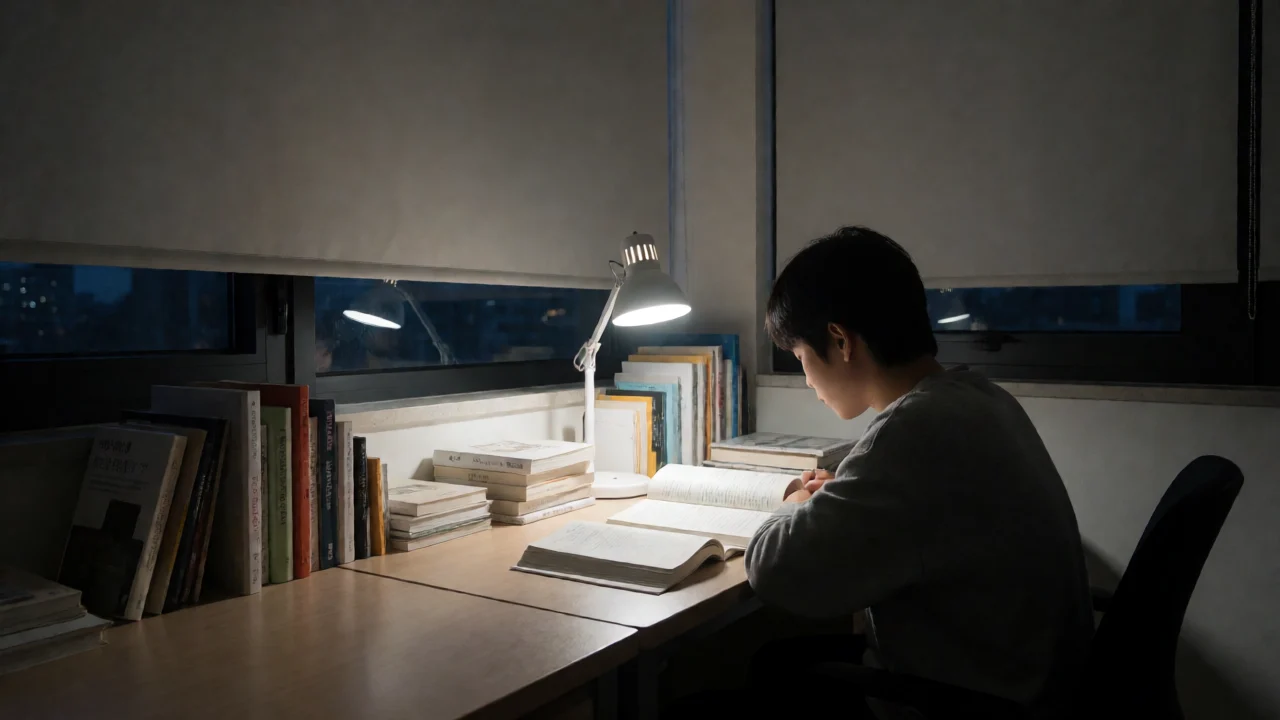
As the biting north wind howls on a bitter Daehan morning, Sani—a young scholar with his inkstone frozen solid—picks up a heavy iron axe. This story explores the meaning behind the proverb “At the End of Daehan Comes Yangchun,” offering a warm note of comfort to weary hearts.
A Bitter Daehan Morning When Even the Inkstone Froze
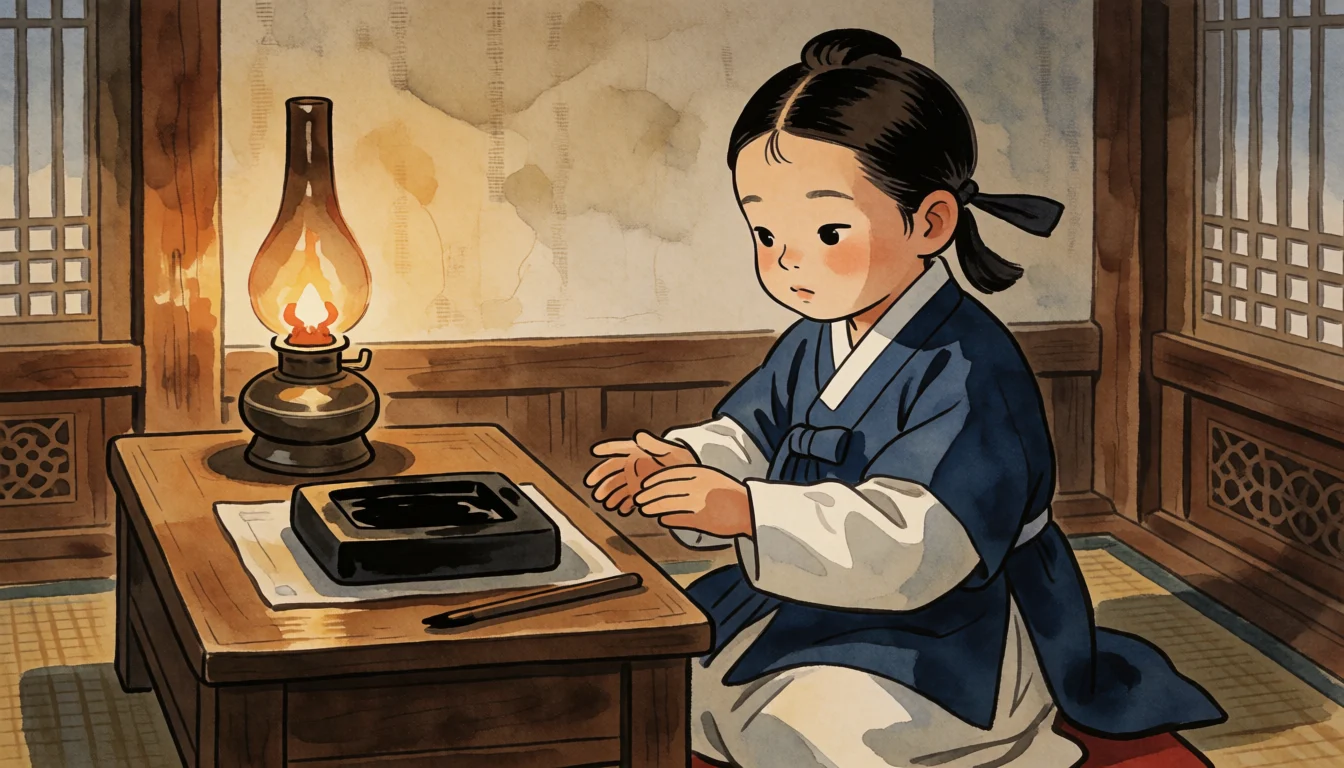
It was the middle of the twelfth lunar month—Daehan, or “Great Cold,” the harshest frost of the entire winter. The lattice paper rattled violently as a biting north wind slipped deep into the room. Reading by the dim light of a small oil lamp, Sani cupped his freezing hands and blew warm breath onto his fingertips.
“The ink I ground yesterday has hardened into a block overnight.”
He tapped the inkstone gently with the tip of his brush, but it only emitted a clear, hollow sound; not a speck of black ink rubbed off. With an important examination awaiting him in spring, stacks of books lay waiting, but instead of warmth in the room, his fingers were stiffening into ice, fueling a restless panic.
“This is no time to blame the weather… Why won’t my fingertips move the way I want them to?”
Forcing his stiff hands to open and close, Sani tried to turn the pages, but the chill from the floorboards seeped deep into his bones.
Urgent Knocks and an Unexpected Request
Just then, hurried footsteps came running up outside the brushwood gate through a sleety gale.
“Sani-hyung! Brother, are you inside?”
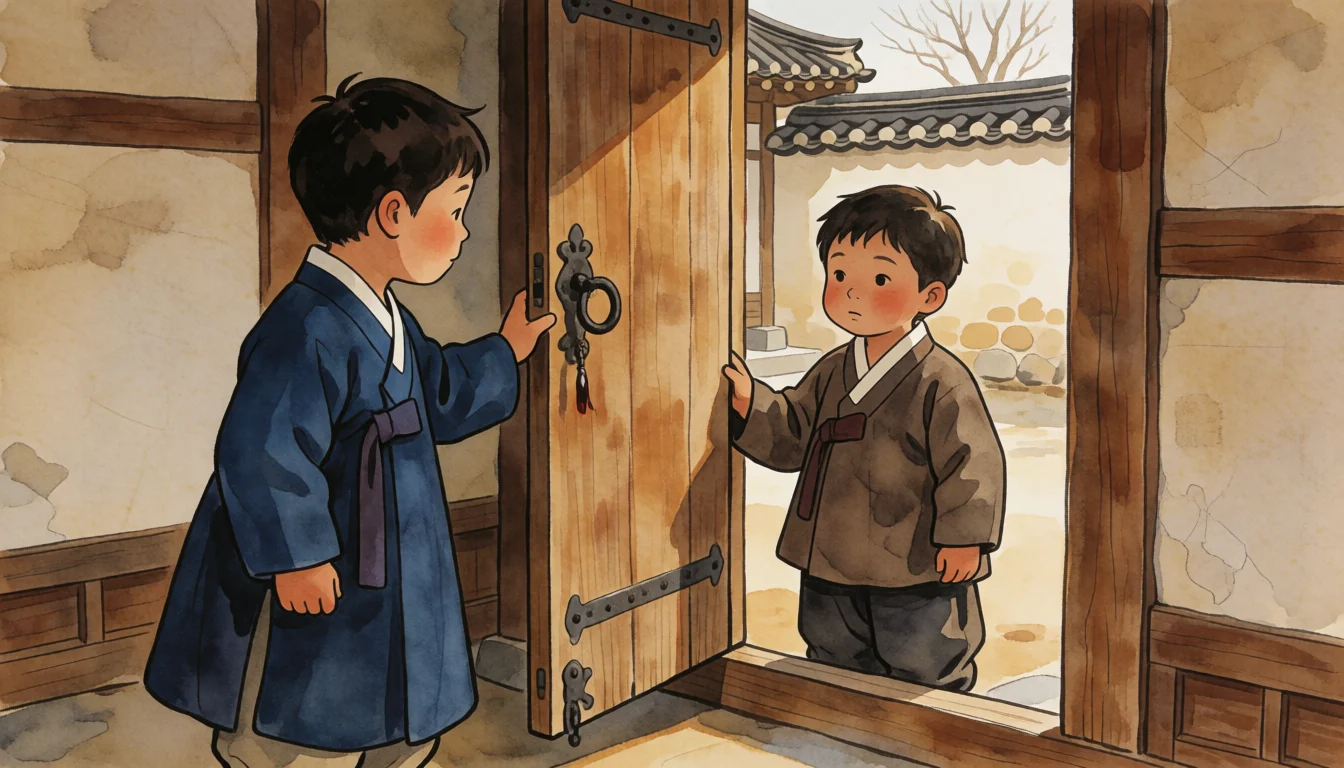
Pushing the door open, his young neighbor Dori stood shivering, tears welling in his red, chapped cheeks without even a proper winter hat.
“Dori, what on earth brings you out in this fierce wind without proper outerwear?”
“Brother! The ditch and well near our yard are completely frozen solid! The trapped water spilled over the path and turned into sheet ice, and Mother slipped and fell right on her back! I can’t possibly break it on my own.”
Sani glanced back at his frozen inkstone and desk. I need to read even one more word right now, but I have to go smash ice in this bitter wind? Hesitation flickered through him, but seeing Dori’s pale, blue-tinted hands, he couldn’t bring himself to shut the door.
“All right, wait just a moment. I’ll grab an iron axe and a shovel and come out.”
The Sound of Striking the Frozen Earth
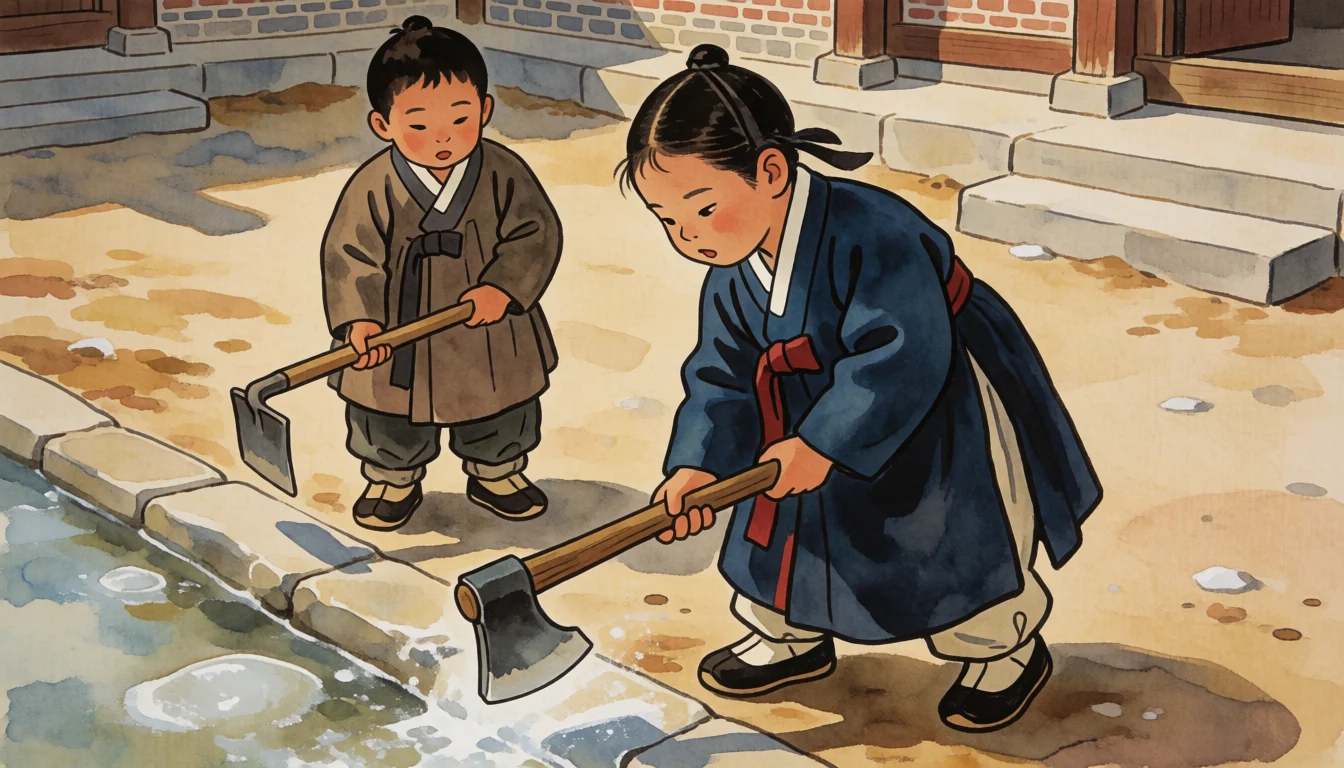
Stepping out into the yard, the razor-sharp wind of Daehan lashed mercilessly at his face. The drainage ditch was frozen thick to the bottom, a sheet of white ice covering the path. Raising the iron axe in his hands, Sani brought it down hard upon the ice.
“Clang! Clang!”
The ice was so stubborn it felt as though the axe blade might bounce right off. Dori pitched in as well, digging away the frozen soil at the edge of the ditch with a small hoe.
“Brother, my hands are freezing numb.”
“Let’s endure just a little longer. If we don’t open up the waterway, it’ll freeze even harder once the sun goes down.”
At first, his hands and feet felt as though they were snapping off, but with every swing of the axe, his stiff shoulders loosened and steam rose from his back. Instead of huddling inside shivering with anxiety, his body had begun to move with powerful purpose.
An Elder’s Words Awakening What Lies Beyond the Hardship
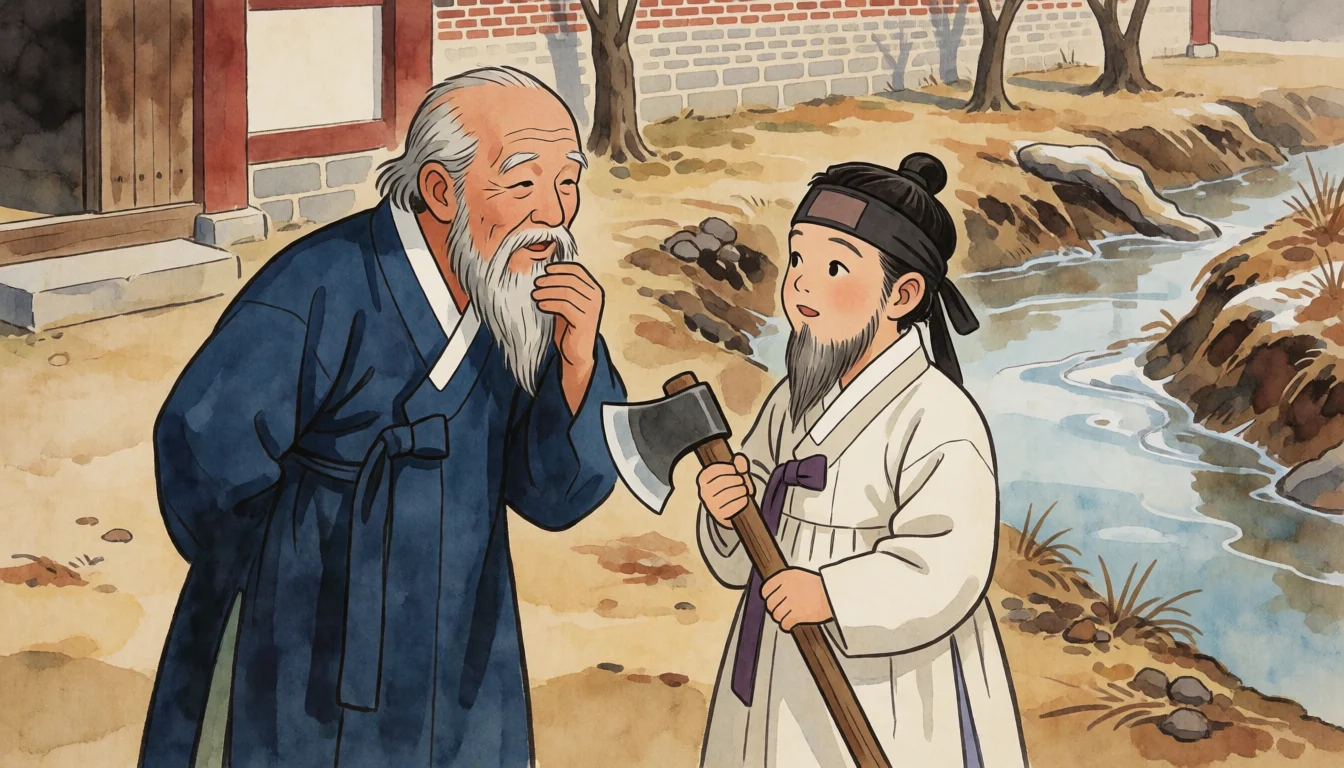
It was after he had chipped away at the ice for quite some time, until the sound of water gurgling beneath the thin crust finally became audible. Old Man Mandol, returning from a neighborhood stroll, leaned on his walking stick and watched the two panting figures intently.
“Well now, a young scholar wielding an iron axe instead of guarding his desk.”
Sani wiped the sweat from his brow and smiled self-consciously.
“Grandfather, the water channel was blocked, so I stepped out for a moment to prevent our neighbors from getting hurt. But with a long road ahead, bitter weather, and a weary body, my heart feels heavy.”
Stroking his beard, Old Man Mandol spoke in a calm, steady voice:
“Sani, doesn’t the old saying go, ‘At the end of Daehan comes Yangchun’? Daehan is the bitterest hurdle of the winter year. But once you push past this harsh trial, warm spring sunlight—Yangchun—is bound to follow. Human life is much the same. The strength you use to clash with this stubborn ice is precisely what nurtures the spring inside you.”
Hearing those words, a corner of Sani’s heart brightened. He felt ashamed of himself for huddling away to avoid the harsh cold, realizing that facing this hardship head-on was a solid stepping stone toward welcoming spring.
Shared Warmth and the Approaching Spring
At last, the long-blocked ditch broke open cleanly, and clear water came rushing down. Hearing the news, neighboring villagers trickled into the yard one by one to help sweep away the remaining thin ice along the path.
“Young Master Sani, thank you so much. Thanks to you, we can draw water in peace tonight.”
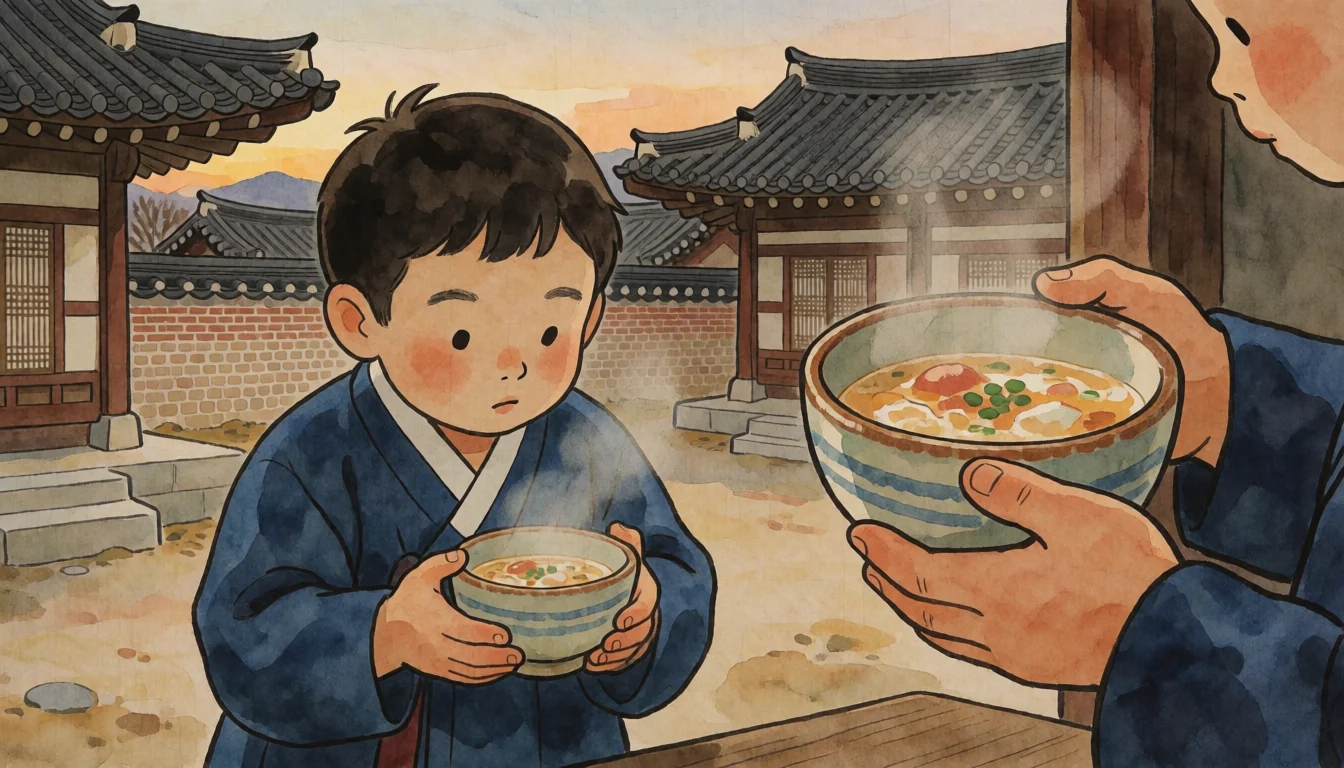
Dori’s mother brought out a bowl of steaming roasted-rice water (sungnyung) and handed it around. Sani cupped the bowl in both hands. The lingering heat passing through his roughened fingertips spread deep into his chest.
As the sun dipped low, the fierce wind remained, but Sani’s steps on the way back felt significantly lighter and firmer than they had that morning. Returning to his room, Sani poured fresh water into the thawed inkstone and began grinding his ink once more. A calm conviction settled deep in his heart: no matter how cold the winter, warm spring light will inevitably arrive once this hurdle is passed.
The Seasonal Meaning of Daehan and the Bitter Cold
Winter cold, beginning with Lidong (the start of winter), passes through Sohan (minor cold) and reaches its peak during “Daehan” (great cold) in the twelfth lunar month. Since ancient times, Daehan has been considered both the coldest time of the year and the seasonal marker wrapping up the end of winter.
The Meaning of the Proverb “At the End of Daehan Comes Yangchun”
The proverb “At the End of Daehan comes Yangchun” draws on the flow of the 24 solar terms, meaning that once you overcome the hurdle of the harshest cold, a warm spring (Yangchun, 陽春) follows. It carries a message of hope that happiness, success, and joy await those who successfully weather difficult trials.
A Custom of Encouragement to Overcome Hardships
When people faced numerous hardships and exam anxieties ahead of important milestones like civil service exams, neighbors and acquaintances would cite this proverb to comfort and encourage them. Widely used as a fine custom that instills hope for tomorrow by wisely enduring difficult situations, its usage is recorded in numerous proverb dictionaries and research literature.
Words of Hope and Comfort Passed Down Today
The proverb “At the End of Daehan comes Yangchun” is still widely cited today to encourage people studying or setting goals to silently persevere when facing trials. The ancestors’ wisdom—that spring unfailingly follows bitter cold—continues to serve as a mindset for enduring difficult situations in modern times.
The Boundary Between Fiction and Folk Fact in the Story
The characters in this text—the scholar Sani, the neighbor boy Dori, and Old Man Mandol—along with specific episodes like smashing a frozen ditch with an iron axe and sharing warm roasted-rice water while conversing, are fiction created to enhance reader understanding and immersion.
On the other hand, the facts that Daehan is the harshest cold period of the twelfth lunar month, that the proverb “At the End of Daehan comes Yangchun” embodies the hope that warm spring follows hardship, and that it was used as a folk custom to encourage those facing difficulties are objective folkloric facts recorded in numerous proverb dictionaries and literature.
🎨 Color It Yourself