An evocative look at Eunsan Byeolshinje—a spring ritual in Eunsan-ri where villagers pray for peace before subterranean insects awaken, honoring the fallen soldiers of the Baekje Revival War.
A Stirring of Spring in Lunar February
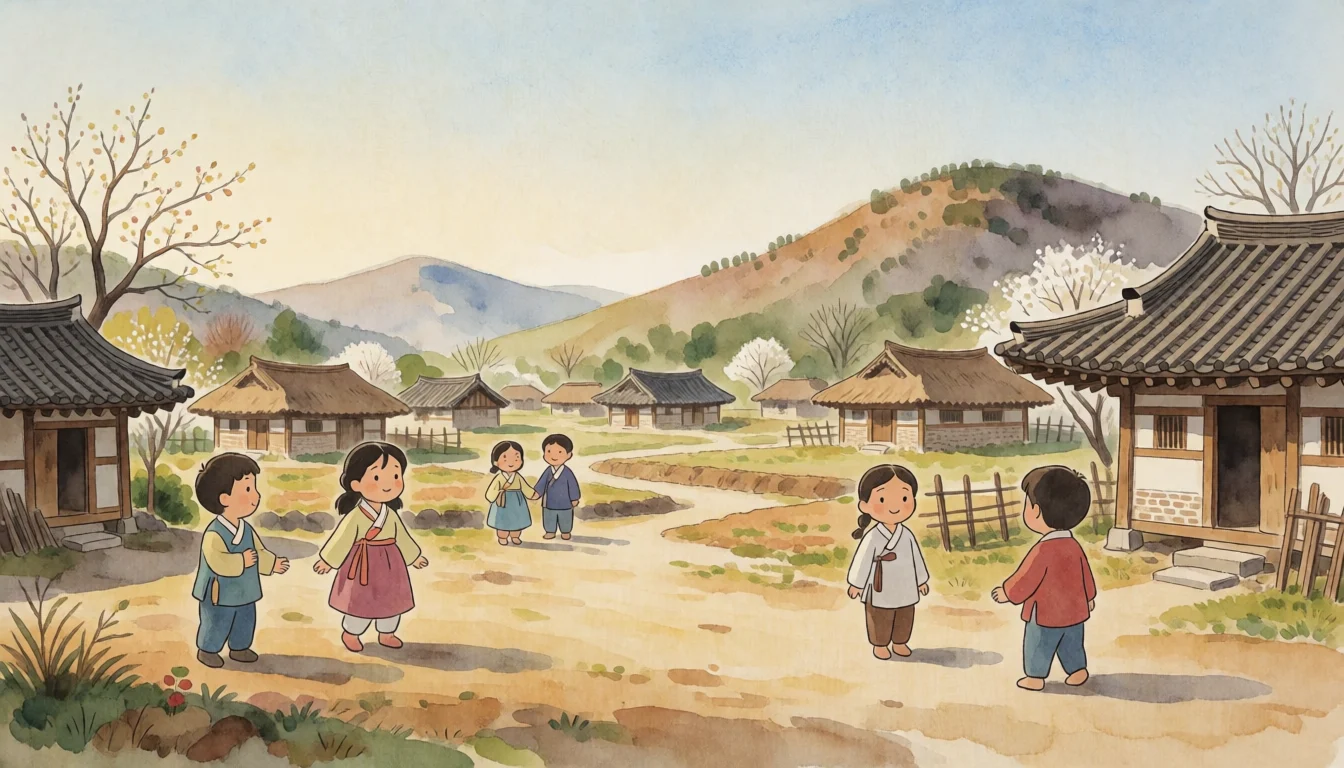
As the biting winter winds began to soften and early spring stirred in Eunsan-ri, Eun-san-myeon, Buyeo-gun, South Chungcheong Province, the entire village buzzed with quiet anticipation. Preparations were underway for the long-standing Eunsan Byeolshinje, a grand traditional festival dedicated to praying for community well-being and comforting ancestral spirits.
Yet the elders never chose the date lightly. They carefully observed the calendar to pick a clear, auspicious day before snakes and insects stirred from the frozen earth—usually around the end of the second lunar month or before Hansik. They strictly avoided leap months and checked the personal fortune of the hwaju, the ritual’s chief organizer. Consequently, the villagers’ approach to welcoming spring was always marked by utmost care and devotion.
Dori’s Urgent Errand
“Dori! You must hurry before the weather warms up completely. Go on quickly to the hwaju elder’s house!”
Hearing his mother’s call from the edge of the alley, Dori tightly fastened the cords of his straw sandals. The elders’ warning echoed in his mind: the ritual date had to be set before insects broke through the soil. Even the slightest delay felt risky, as spring warmth was fast approaching to thaw the ground.
“Yes, Mother! I’ll be right back!”
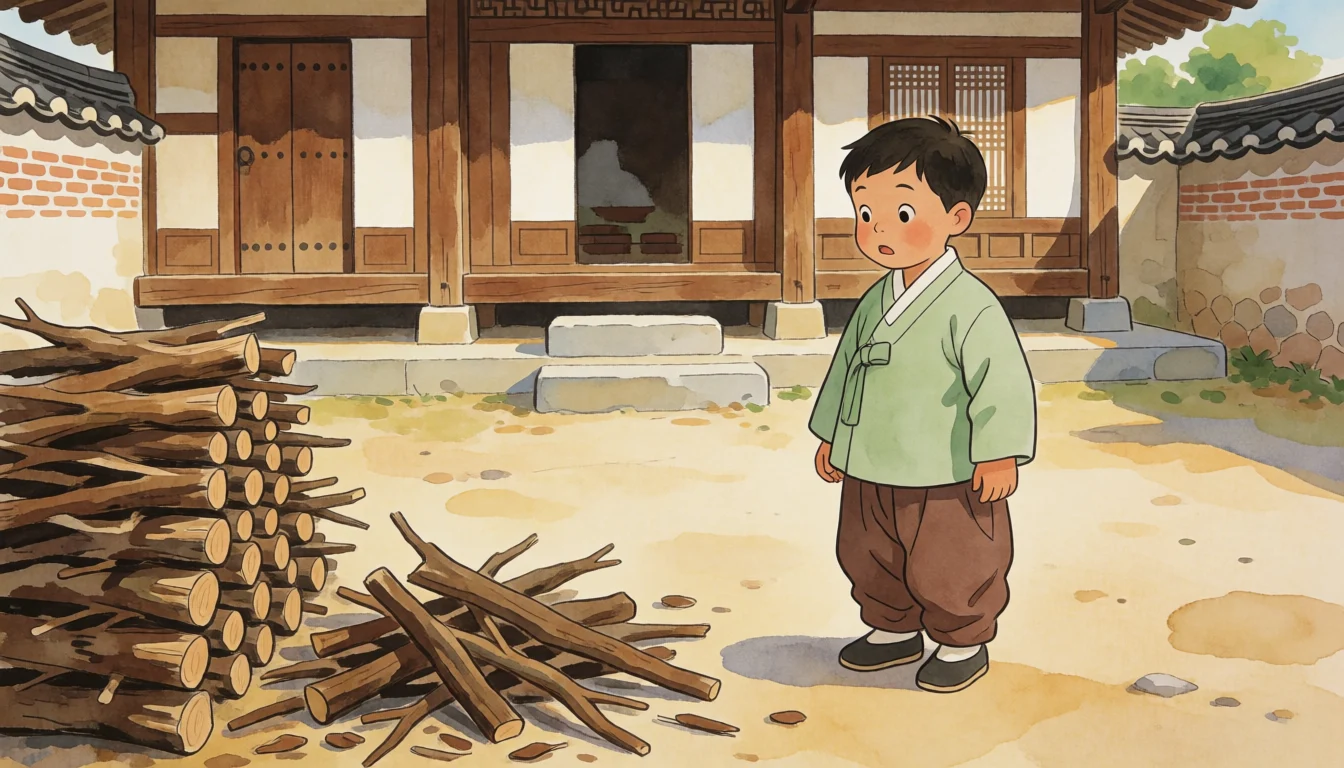
Dori dashed off, kicking up puffs of dust. But just as he rounded the alley and swung open the gate to the hwaju’s courtyard, his foot caught on a neatly stacked pile of dry firewood.
Crash! With a sharp, dry rattle, the well-dried logs tumbled and scattered in every direction across the courtyard.
“Oh no!”
Dori froze, turning pale. He had knocked over the sacred firewood meant for the ritual. Panic gripped his chest; he felt sure he had ruined everything before the date could even be chosen.
Grandma Makrye’s Tale of the Past
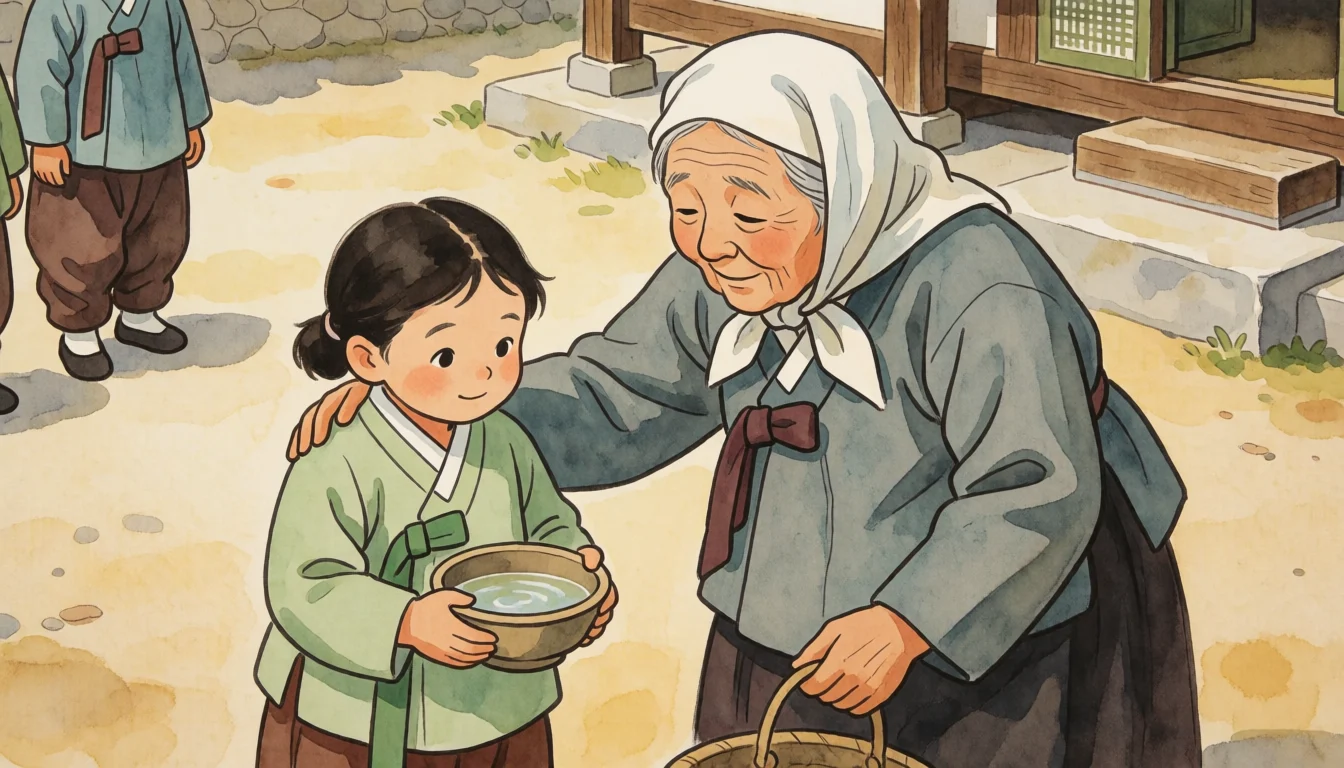
A warm hand rested gently on Dori’s trembling shoulder. It was Grandma Makrye, who had just stepped out with her bowl of purified morning water. Seeing the scattered wood, she didn’t scold him; instead, she offered a gentle smile.
“Dori, catch your breath first. When you rush in panic, your sincerity scatters before anything else.”
“Grandma, I need to get the ritual date set right away, but I knocked over all the firewood. What if it brings bad luck?”
As Dori clutched her skirt with tearful eyes, the grandmother continued in a calm, soothing voice:
“The Byeolshinje isn’t just a festival where we rush to match dates on a calendar. Do you know what happened seven hundred years ago when Baekje fell? Countless soldiers and common folk who gave their lives for the kingdom fell at Imjonseong Fortress and other battlefields without ever returning home. It’s said that the wandering spirits of leaders like General Boksin and nameless soldiers brought harsh illnesses to the village. Only after those spirits were gathered and comforted did our village finally regain its peace. So, before worrying about the schedule, our first priority must be a heart that understands and embraces others’ pain.”
Her low, steady voice sank deep into Dori’s heart. He realized the task was more than just a simple errand—it carried a profound meaning of honoring the departed and safeguarding the village’s harmony.
From Running Alone to Walking Together
Dori wiped the sweat from his forehead with his sleeve and lifted his chin. He didn’t need to suffer alone, struggling to clear the wood and racing about by himself. This ritual was something the entire village hosted with a single heart.
“Grandma, I’ll go ask our neighbors to lend a hand!”
“That’s a truly admirable thought, child.”
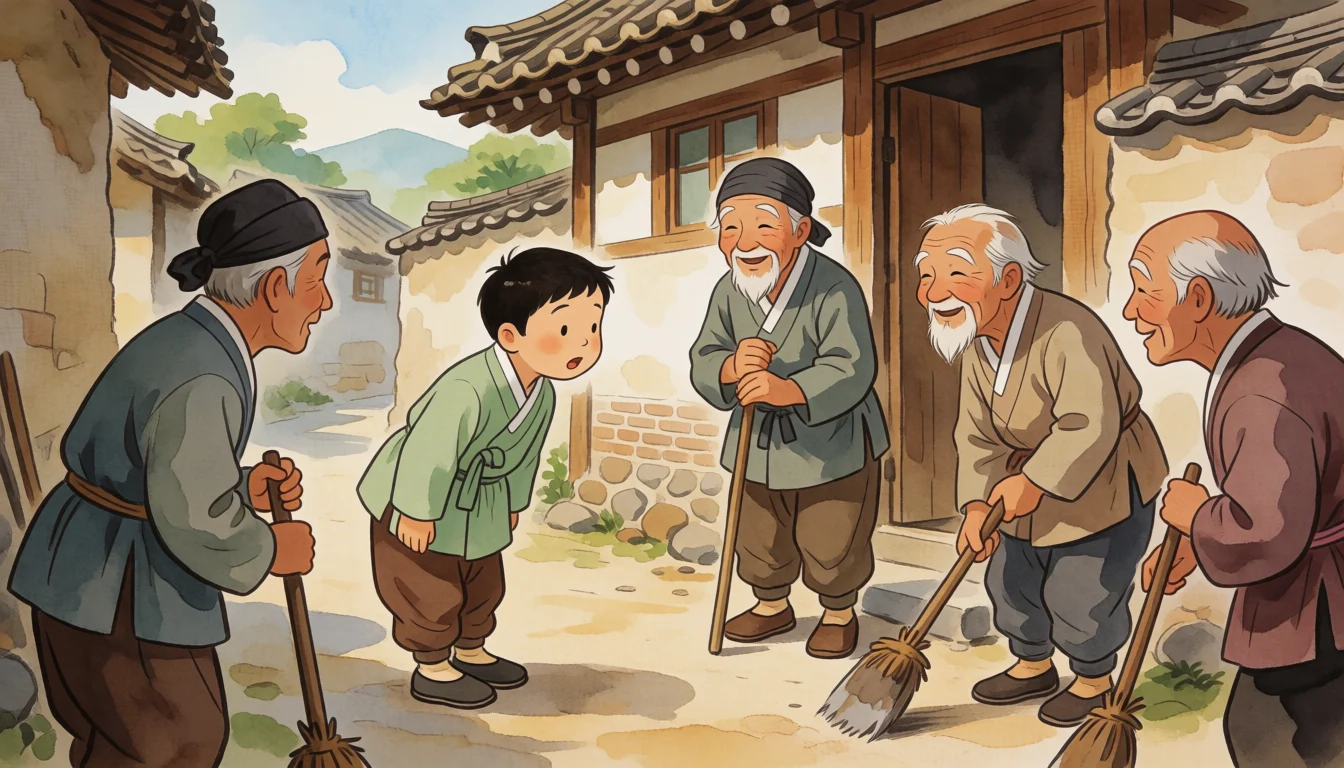
Dori hurried back through the alleyways. He approached neighbors shaping rice cakes and elders twisting straw ropes, bowing respectfully as he honestly confessed what had happened in the courtyard.
“Elder, in my haste, I spilled the firewood. It’s meant to soothe the spirits of the Baekje soldiers, so please, won’t you lend a hand?”
Far from scolding him, the villagers smiled warmly and set down their tools one by one.
“Well, look at Dori! He truly understands the meaning behind it. We can’t just stand by when it concerns our village!”
One by one, people began following Dori back toward the hwaju’s courtyard.
Warm Peace Settling Over the Village
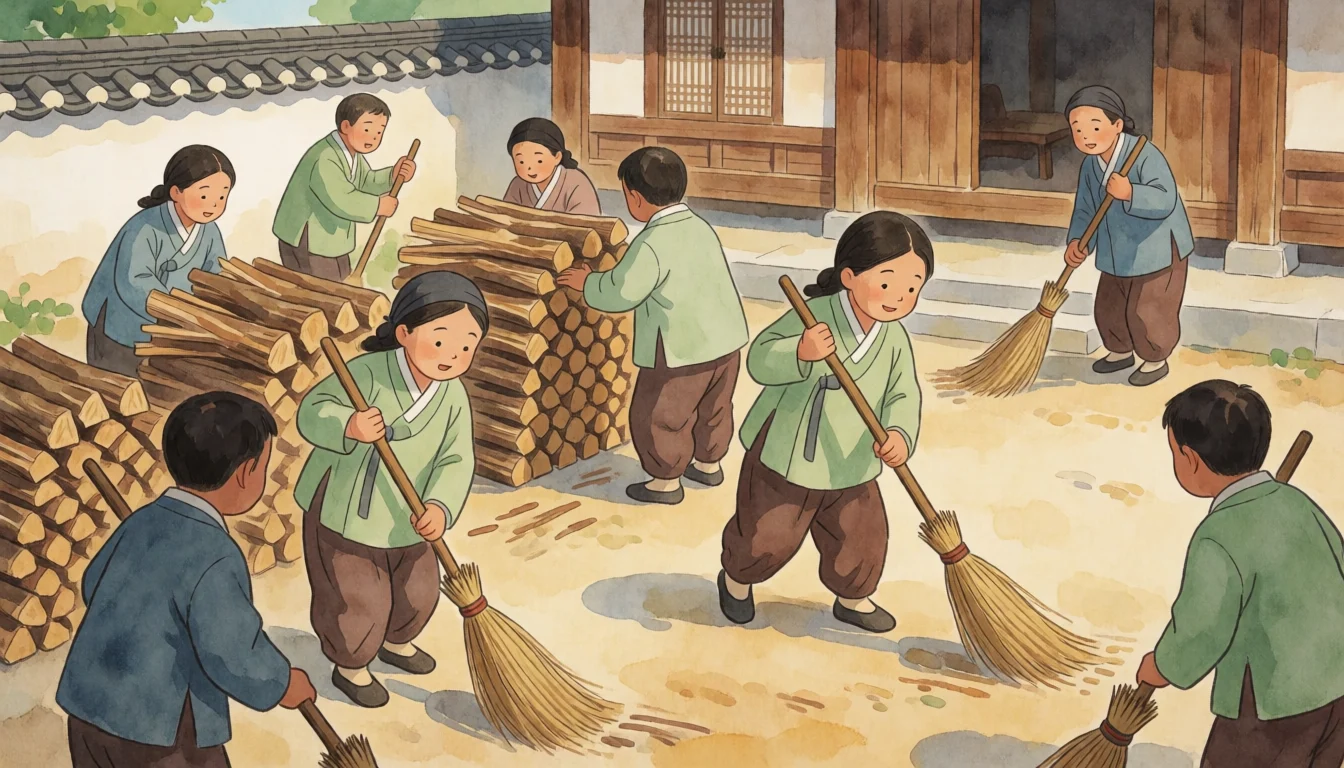
With the villagers working together, the scattered firewood was re-stacked into a neat, orderly pile in the blink of an eye. Not a single person complained; they even swept up stray pine needles, meticulously cleaning the hwaju’s courtyard inside and out.
A moment later, the door to the inner room opened, and the hwaju elder, who had been offering prayers inside, walked out into the yard. Looking at the gathered townspeople and the neatly arranged firewood, he smiled gently.
“Since the sincerity of our villagers has come together so purely, the heavens have granted us an auspicious day. The ritual will be held on a blessed date, avoiding the leap month and before the snakes and insects shake the soil.”
Hearing these words, a wave of bright relief washed over the faces of the people gathered in the courtyard. Dori brushed the dirt from his hands in a corner of the yard and let out a breathless sigh of deep fulfillment.
The small crisis sparked by a young boy’s clumsy steps had blossomed into a warm, hands-joined solidarity, ultimately ushering in a truly blessed spring for Eunsan-ri.
Origin and Nature of Eunsan Byeolshinje
Held in Eunsan-ri, Eun-san-myeon, Buyeo-gun, South Chungcheong Province, the Eunsan Byeolshinje is a traditional cultural festival designated as Important Intangible Cultural Property No. 9 in 1966. It is characterized by a dual nature, combining agricultural rites with market-prosperity measures.
According to foundational legends, it serves as a memorial rite for soldiers who died heroically during the Baekje Revival War in the late 7th century, maintaining deep ties with key figures of the movement such as General Boksin and Master Dochim. However, it remains uncertain whether “Tojindaesa” is simply a miswriting of “Dochimdaesa”—who fought alongside General Boksin—or if it refers to the earth deity recorded in shrine renovation logs.
Date Selection and Deities
Before its designation as an Important Intangible Cultural Property, the ritual date was not fixed to a specific calendar day. Instead, it was chosen in early spring before insects or snakes emerged—typically near the end of the second lunar month or before Hansik—or by checking the hwaju’s fortune to find an auspicious day while avoiding leap months.
The deities worshipped include the mountain god of the upper shrine, General Boksin, and Tojindaesa, as well as the village guardians of the lower shrine. Notably, Tojindaesa and General Boksin wear similar attire and hold swords and spears respectively, resembling military commanders prepared for battle.
Transmission of Eunsan Byeolshinje Today
Today, the Eunsan Byeolshinje Preservation Society maintains the festival during the final week of March (solar calendar). Since 1978, the scale alternates: a large-scale ritual is held in even-numbered years, and a smaller ritual in odd-numbered years.
The large ritual in even-numbered years features full traditional ritual procedures with extensive material and human resources, blending Confucian sacrificial rites with shamanistic gut rituals. In contrast, the smaller ritual in odd-numbered years omits elements like the jin-daebaegi, kkotbatgi, sangdang-gut, and hadang-gut, focusing instead on a Confucian-style village rite centered around the hwaju, alongside the main ritual, Doksanje, and Jangseung-je.
During the Byeolshinje period today, various accompanying events such as the gangdari tug-of-war, chuksa-daehoe, and jegichagi are also held.
The Boundary Between Fiction and Historical Fact in the Story
Elements in the story—such as the characters Dori and Grandma Makrye, their dialogue, the firewood-spilling incident, and the interaction asking neighbors for help—are fictional creations designed to enhance readability. While the core traditions of Eunsan Byeolshinje functioning as a memorial for fallen Baekje revival soldiers and selecting auspicious dates while avoiding leap months are grounded in real historical and folkloric facts, the individual anecdotes and specific episodes within the narrative have been reimagined through literary imagination.
Related Locations
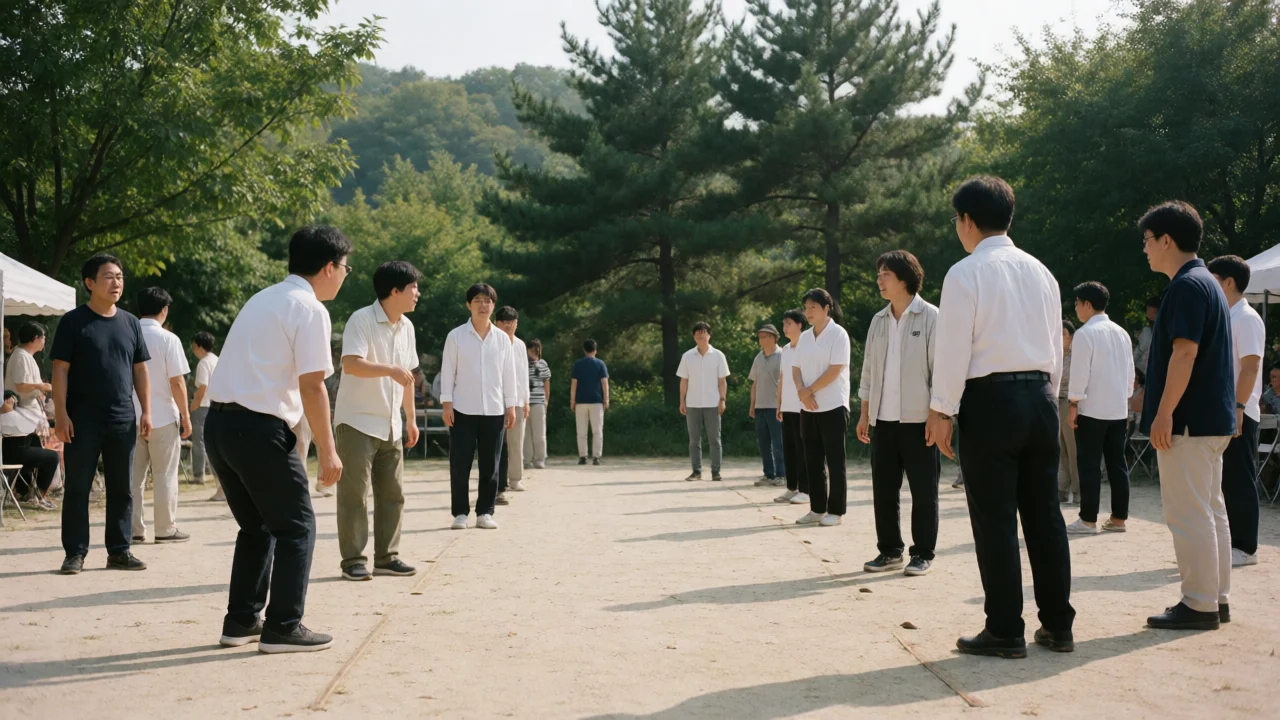
Eunsan-ri (Venue of Eunsan Byeolshinje)
Held in Eunsan-ri, Eun-san-myeon, Buyeo-gun, South Chungcheong Province (detailed organization, museum, or historic site addresses are not listed)